#36 of forty-four · low class
ล
lo ling
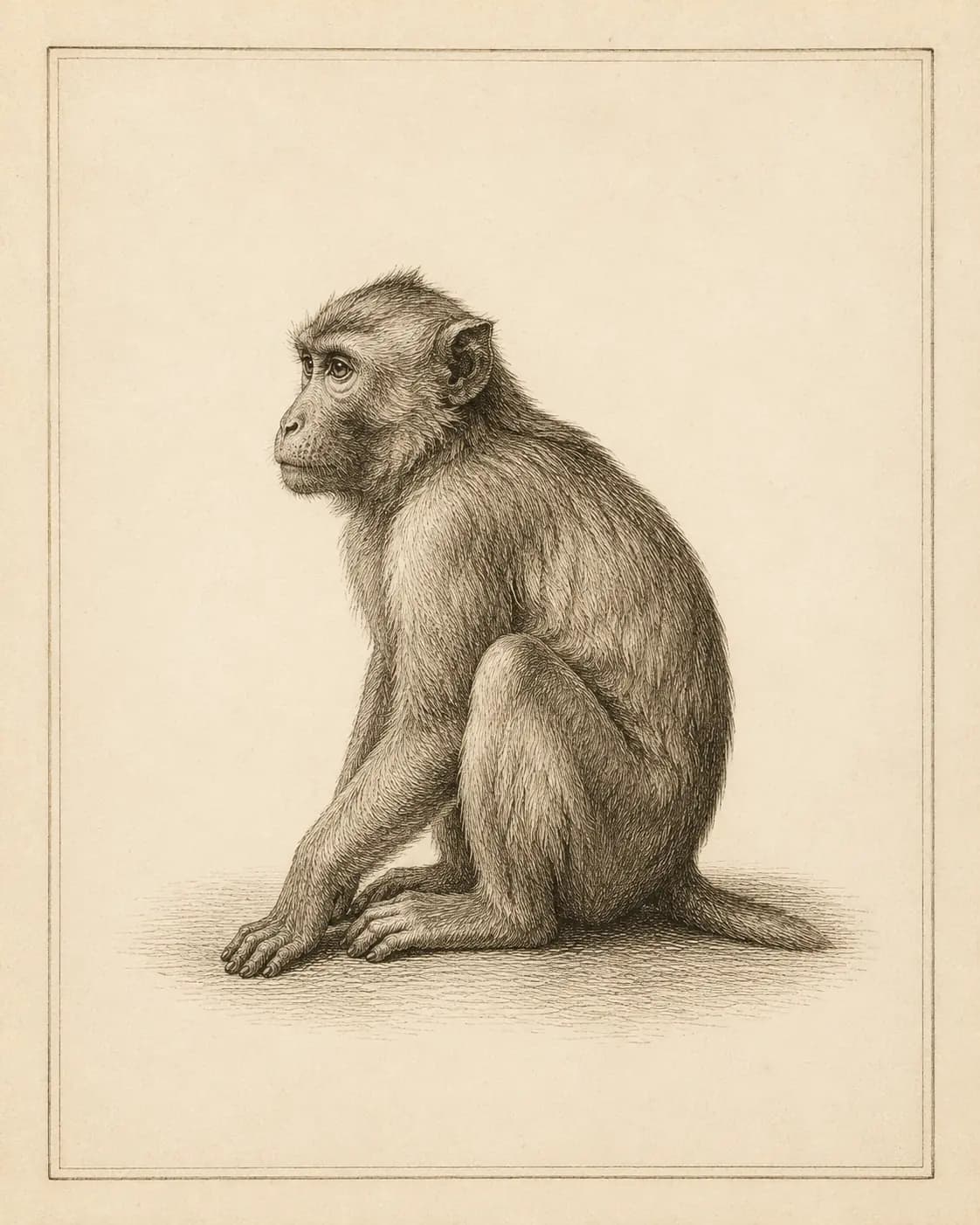
ล ลิง · monkey
Low class อักษรต่ำ
Low class is the shifted class — the same mark lands a different tone than on mid or high.
A consonant’s class exists for one reason: it decides the tone. Low class is the shifted class — the same mark lands a different tone than on mid or high. Here’s every outcome for ล as the initial:
| Syllable | – No mark | ◌่ mái èek | ◌้ mái thoo |
|---|---|---|---|
| Liveopen or sonorant end | mid | falling | high |
| Dead · longlong vowel + stop | falling | falling | high |
| Dead · shortshort vowel + stop | high | falling | high |
Live syllable — open or sonorant end
Dead · long syllable — long vowel + stop
Dead · short syllable — short vowel + stop
Change the initial to another class and the same marks produce different tones — that shift is what makes tone a small system, not 44 separate facts. Derive tones on the Tones surface →
Start at the head — the little loop — then one continuous stroke. Written between the guide lines, the body sits in the middle band.
Indic and native; common /l/.
Practice